
The Most Stupidest Project Elektor Ever Published (and Potentially Dangerous)
WARNING: UNDER NO CIRCUMSTANCES SHOULD THE FOLLOWING CIRCUIT EVER BE ATTEMPTED. CONNECTING SUCH A CIRCUIT DIRECTLY ACROSS THE MAINS IS NOT ONLY DANGEROUS, IT CAN ALSO CAUSE SERIOUS PHYSICAL DAMAGE.
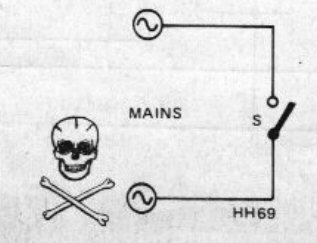
Fig. 1: a potentially lethal project published in the Elektor July/August 1975 magazine
The circuit shown in fig. 1 was published in the popular electronics magazine "Elektor" in July/August 1975 as project #89 and aptly named "fuse destroyer". There is no surrounding text to the circuit; it just shows the schematic and moves on to project #90.
It features a switch that is basically put across any standard power outlet, and as soon as the switch is closed - as the name suggests - it blows the fuse protecting the outlet as it's now short-circuited. But, why? What is the purpose of doing this? There is no valid reason I can see to this and isn't a feasible way to test that a fuse will blow in a short-circuit fault condition. The only way that I can see this circuit serving any purpose is as a practical joke on an un-suspecting work colleague. The switch could be mounted in a small box with a power cord attached and you ask them to plug it in and flip the switch and get a surprise!
Back in the '70's - long before circuit breakers were a common thing, the old-style Bakelite wire fuses were used. So, if such a circuit above was deployed back then, it would cause complete annoyance - as you have to find the blown fuse and re-string it with new fuse wire. But let's actually look at the dangerous aspect of this circuit.
Intentionally short-circuiting a mains outlet (or any other electrical fitting for that matter) is not only idiotic, but potentially lethal if you accidently come in to contact with the live mains. And let's look at the switch. The switch itself would have to be rated for at least 10A and will have a finite resistance between the contacts. This causes the switch to experience "arc-over" between the contacts when it is closed - which could potentially destroy the switch (if not weld the contacts together) permanently. The current during arc-over could be equal to, if not higher than, the line voltage. That is a serious amount of current - but, it is a short-circuit after all.
Every one likes black soot marks around their electrical switches and fittings in the morning, don't they?
Conclusion
In all seriousness, under no circumstances should this circuit ever be built or used - let alone ever have been published. Why did they publish it? They probably had a bit of page space left over they needed to fill. The circuit itself is clearly intended as a joke - but should be taken seriously to the potential dangers it can present.
Fig. 1: a potentially lethal project published in the Elektor July/August 1975 magazine
The circuit shown in fig. 1 was published in the popular electronics magazine "Elektor" in July/August 1975 as project #89 and aptly named "fuse destroyer". There is no surrounding text to the circuit; it just shows the schematic and moves on to project #90.
It features a switch that is basically put across any standard power outlet, and as soon as the switch is closed - as the name suggests - it blows the fuse protecting the outlet as it's now short-circuited. But, why? What is the purpose of doing this? There is no valid reason I can see to this and isn't a feasible way to test that a fuse will blow in a short-circuit fault condition. The only way that I can see this circuit serving any purpose is as a practical joke on an un-suspecting work colleague. The switch could be mounted in a small box with a power cord attached and you ask them to plug it in and flip the switch and get a surprise!
Back in the '70's - long before circuit breakers were a common thing, the old-style Bakelite wire fuses were used. So, if such a circuit above was deployed back then, it would cause complete annoyance - as you have to find the blown fuse and re-string it with new fuse wire. But let's actually look at the dangerous aspect of this circuit.
Intentionally short-circuiting a mains outlet (or any other electrical fitting for that matter) is not only idiotic, but potentially lethal if you accidently come in to contact with the live mains. And let's look at the switch. The switch itself would have to be rated for at least 10A and will have a finite resistance between the contacts. This causes the switch to experience "arc-over" between the contacts when it is closed - which could potentially destroy the switch (if not weld the contacts together) permanently. The current during arc-over could be equal to, if not higher than, the line voltage. That is a serious amount of current - but, it is a short-circuit after all.
Every one likes black soot marks around their electrical switches and fittings in the morning, don't they?
Conclusion
In all seriousness, under no circumstances should this circuit ever be built or used - let alone ever have been published. Why did they publish it? They probably had a bit of page space left over they needed to fill. The circuit itself is clearly intended as a joke - but should be taken seriously to the potential dangers it can present.